“Ear reconstructive surgery is not just about reshaping structure—it is about recreating balance and proportion with the rest of the face.”
— Dr Gaurav Patodia
Ear reconstructive surgery reshapes the ear in cases of keloid, congenital absence, trauma, burns, or deformities. Using advanced plastic surgery techniques such as cartilage framework reconstruction and tissue reshaping, the ear can be restored to a natural appearance while maintaining facial balance.
Each procedure is carefully planned to recreate symmetry, structure, and proportion so the reconstructed ear blends naturally with the rest of the face.
Who needs Ear Reconstruction ?
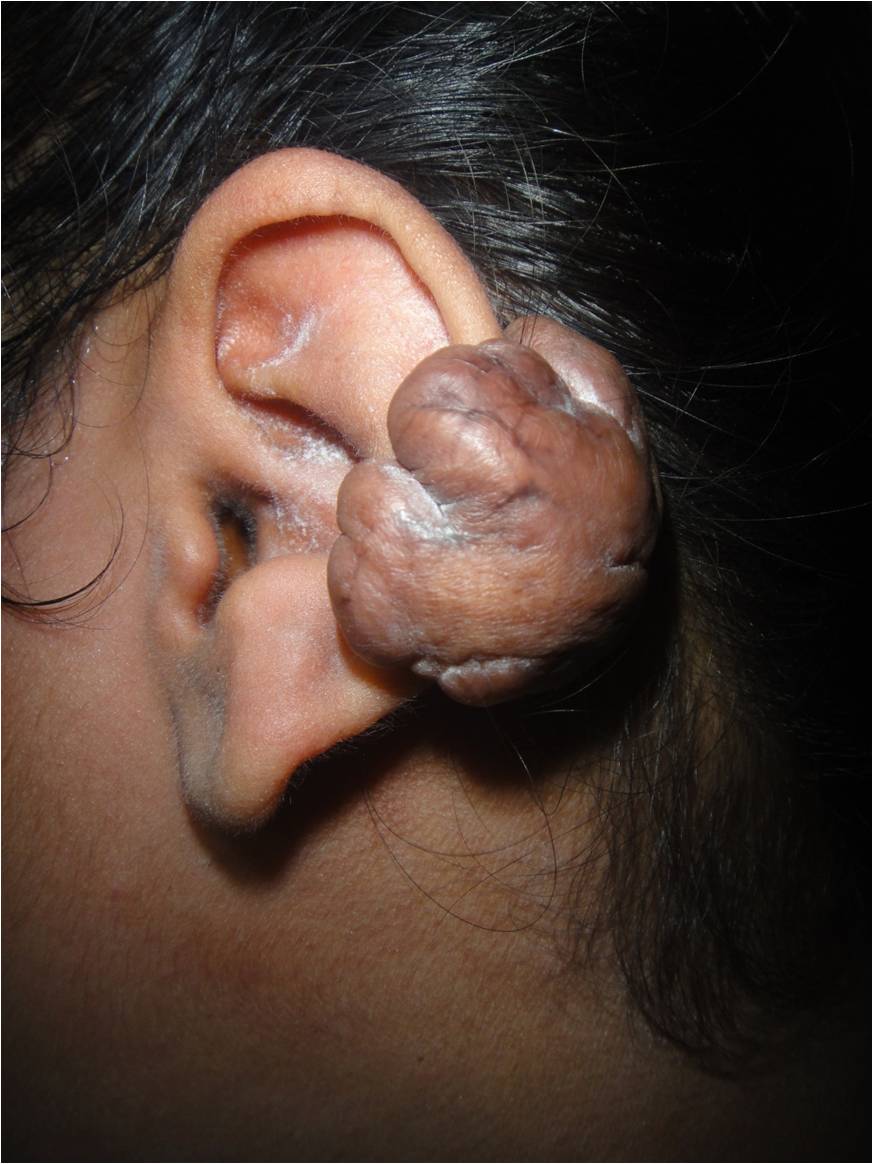
Ear Keloid, lumps seen on the ear after ear piercing
Corrects congenital ear deformities such as microtia or absent ear structures.
Rebuilds ears damaged by injury, burns, or previous surgery.
Plastic surgeons specialize in delicate facial reconstruction, ensuring both functional and aesthetic outcomes.
Personalized surgical planning ensures results that look natural and proportionate to the patient’s face.
Clinic Address
Dermacure Clinic, Dhansar Road, Bank More, Dhanbad, Jharkhand
Who May Benefit from Ear Reconstructive Surgery?
Ear reconstruction may help patients with:
Congenital ear deformities (microtia)
Traumatic ear injuries
Burn-related ear damage
Ear deformities from previous surgery
Keloid Ear
Frequently Asked Questions..
Can an ear be completely reconstructed?
Yes. Modern reconstructive techniques allow surgeons to recreate the ear framework and outer shape using cartilage or other reconstructive methods.
What is the age for ear reconstruction?
While some congenital conditions are treated in childhood, ear reconstruction can also be performed in adults after trauma or burns.
Will the reconstructed ear look natural?
The goal of reconstruction is to restore a natural ear shape that blends with the face. Plastic surgeons carefully recreate the contours and proportions of a normal ear.